No products
- English
- Ελληνικά
About us

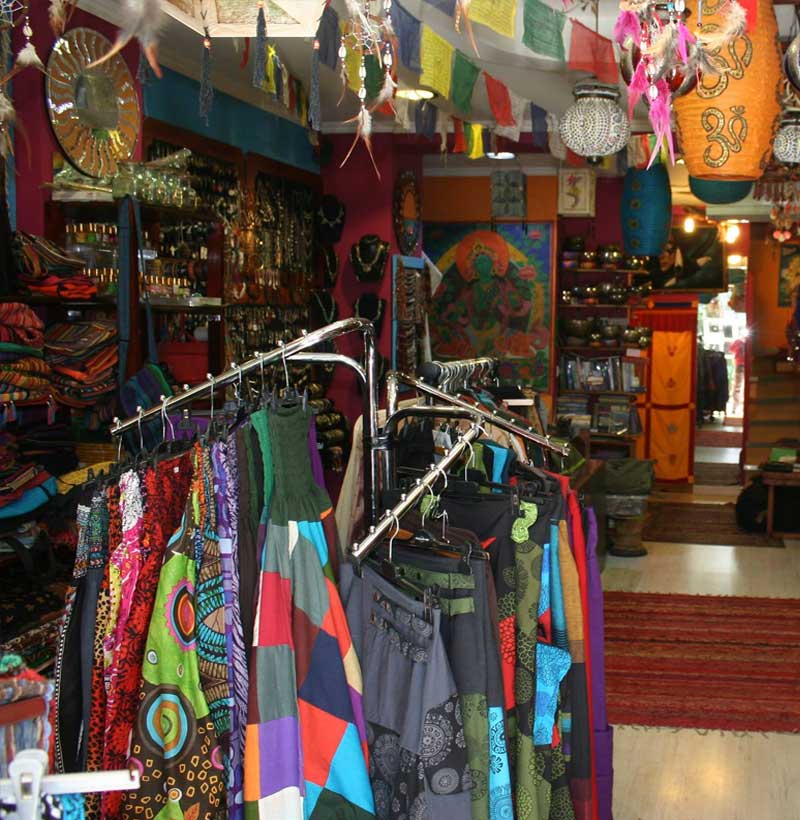
All this time we never cared about ...fashion....we preferred to follow classic than plastic.... our items are all handmade ,made by natural materials , and are carefully chosen one by one in their countries of origin usually Nepal and India, though we have things from around the world...
Our items are not the latest fashion ,, but are all unique and all different .The vast majority of our goods are in quantities of 1 item so you will be the only one to have them...
We don’t sell what you really need...
we sell what you really deserve ..
so...Namaste.. and ... Welcome!!!
 View larger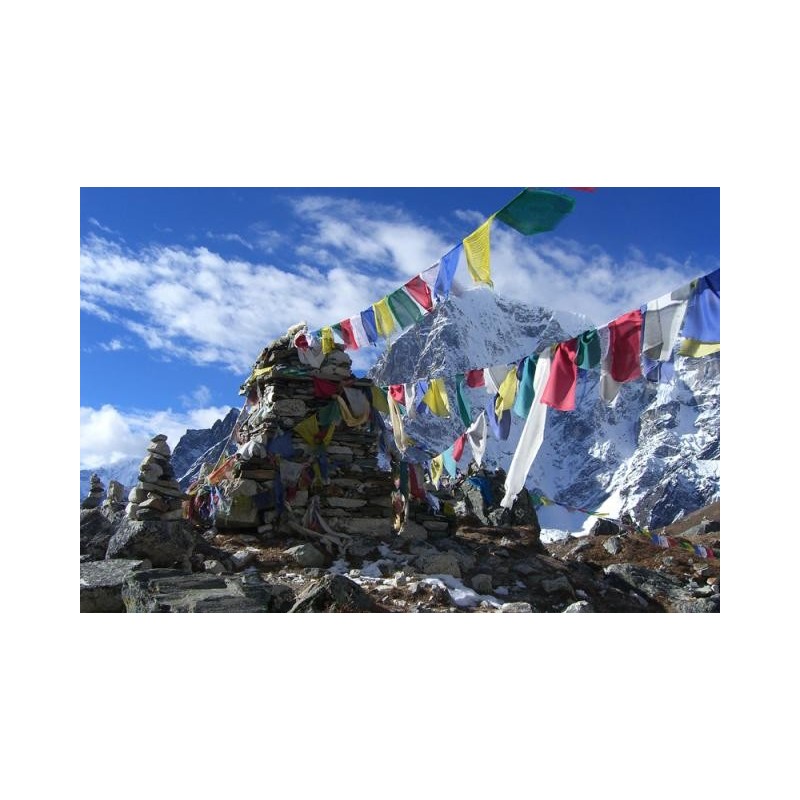
- Remove this product from my favorite's list.
- Add this product to my list of favorites.
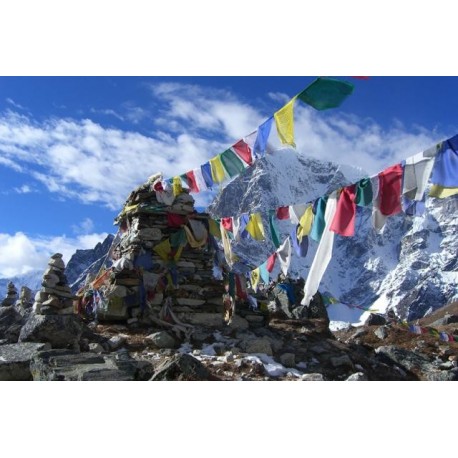
Prayer Flags " Lung Ta " from Nepal.
New product
This product is no longer in stock
Packet with Aprox 25 meters of Prayers Flag 25 x 16 cm from Nepal.
A prayer flag is a colorful rectangular cloth, often found strung along mountain ridges and peaks high in the Himalayas. They are used to bless the surrounding countryside and for other purposes. Prayer flags are believed to have originated with Bon.[1] In Bon, shamanistic Bonpo used primary-colored plain flags in Tibet. [2] Traditional prayer flags include woodblock-printed text and images.
There are two kinds of prayer flags: horizontal ones, called Lung ta (Wylie: rlung-rta, meaning "Wind Horse") in Tibetan, and vertical ones, called Darchor (Wylie: dar-lcog, meaning "flagstaff").
Lung ta (horizontal) prayer flags are of square or rectangular shape, and are connected along their top edges to a long string or thread. They are commonly hung on a diagonal line from high to low between two objects (e.g., a rock and the top of a pole) in high places such as the tops of temples, monasteries, stupas, and mountain passes.
Darchor (vertical) prayer flags are usually large single rectangles attached to poles along their vertical edge. Darchor are commonly planted in the ground, mountains, cairns, and on rooftops, and are iconographically and symbolically related to the Dhvaja.